







The Leeds Clinic offers a private minor surgery service for patients seeking safe, professional and consultant-led care in a discreet clinical setting. Our service covers a range of minor surgical and local anaesthetic procedures, including benign skin lesion removal, cyst and lipoma removal, skin biopsies, scar revision, earlobe repair, selected facial procedures and minor hand surgery.
All minor surgery patients are assessed carefully before treatment. During your consultation, we will discuss your concerns, review your medical history, examine the area, explain suitable options and advise whether treatment at The Leeds Clinic is appropriate for you. Where a lesion is suspicious or requires further investigation, biopsy or histological analysis may be recommended.
Minor surgery at The Leeds Clinic is led by Mr Tarek Eltantawy, Consultant Plastic Surgeon, FRCS (Plast)
Mr Eltantawy brings extensive UK and international plastic surgery experience, with a focus on meticulous technique, patient safety and natural, balanced outcomes. His approach is calm, honest and personalised, ensuring that patients understand their options before making a decision about treatment.
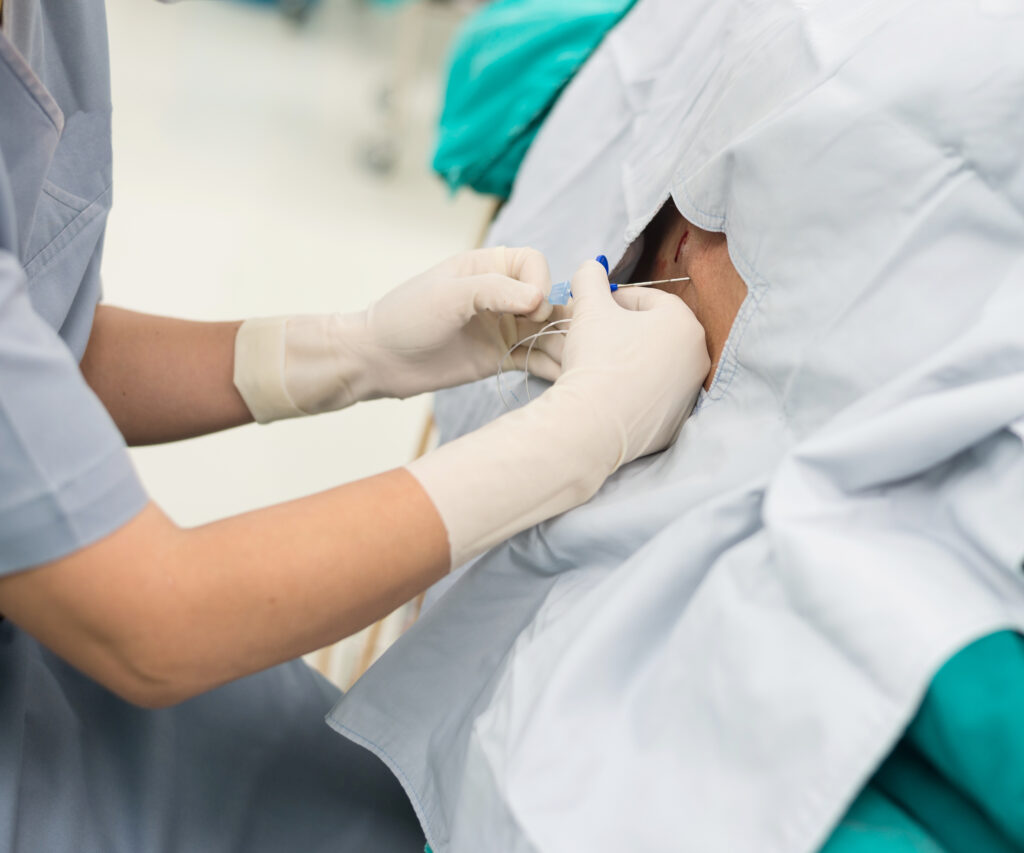
Procedures are usually performed under local anaesthetic, meaning the treatment area is numbed while you remain awake and comfortable. Most patients are able to return home shortly after their procedure, with clear aftercare instructions and follow-up advice where required.
At The Leeds Clinic, our minor surgery service can assess and treat a range of concerns, including benign skin lesions such as lipomas, sebaceous or epidermoid cysts, moles, skin tags and seborrhoeic keratoses. We also offer selected skin biopsies for suspicious lesions, including lesions where basal cell carcinoma or squamous cell carcinoma may be considered and further analysis is required.
Selected cosmetic and facial procedures may also be available following consultation, including upper blepharoplasty, selected lower blepharoplasty under local anaesthetic, brow lift and lip lift. We also assess scar concerns, including scar revision and steroid injections for keloid or hypertrophic scars, as well as earlobe reduction and split earlobe repair.
Minor procedures such as foreign body removal and ingrowing toenail surgery may be suitable for treatment in clinic. For hand concerns, we can assess selected non-operative options such as steroid injections for trigger finger, De Quervain’s tenosynovitis and carpal tunnel symptoms, as well as possible ganglion aspiration. Selected hand procedures under local anaesthetic, including carpal tunnel release, trigger finger release and dorsal wrist ganglion excision, may also be available following consultant assessment.
Choosing where to have a minor surgical procedure is important. At The Leeds Clinic, our focus is on safe, professional and personalised private care. Patients are assessed by an experienced clinician, treatment options are clearly explained, and procedures are planned with attention to comfort, safety, scar placement and aftercare.
Our clinic provides a calm and supportive environment for patients who would like to discuss a concern privately, without feeling rushed. Whether you are seeking removal of a visible lump, assessment of a changing lesion, improvement of a scar, repair of a split earlobe or help with a hand condition, our team will guide you through the process clearly and professionally.
You can contact The Leeds Clinic using the enquiry form on this page. Please provide a brief description of the concern or procedure you are interested in. If the enquiry relates to a skin lesion, cyst, lipoma or scar, it is helpful to include how long it has been present and whether it has changed, become painful, inflamed or infected.
You will be invited for a consultation to assess the concern and discuss whether treatment is suitable. During this appointment, your medical history, medications, allergies and expectations will be reviewed. You will also have the opportunity to ask questions about the procedure, possible risks, recovery and aftercare.
If treatment is appropriate, you will receive clear advice about the recommended procedure and what to expect. In some cases, treatment may be arranged for a separate appointment, especially where more time, preparation or histology is required.
Most minor procedures are performed under local anaesthetic. After treatment, you will receive aftercare instructions, including advice on dressings, wound care, activity, follow-up and when to contact the clinic if you have any concerns.