
Skin Biopsy and Suspicious Lesion Assessment
Consultant-led skin biopsy and histology in Leeds
Private assessment of suitable skin lesions that may require biopsy and laboratory examination. This can include lesions where basal cell carcinoma (BCC), squamous cell carcinoma (SCC) or another diagnosis is being considered.
Following assessment, Mr Tarek Eltantawy will explain whether biopsy is appropriate, which technique may be required and whether the concern should instead be referred through an urgent dermatology, hospital or NHS suspected-cancer pathway.
A biopsy result may provide a diagnosis, but it may also show that further removal, investigation or specialist treatment is required.
Skin biopsy in Leeds
Clear assessment, appropriate biopsy and histology
Consultant-led assessment and biopsy planning for suitable suspicious or uncertain skin lesions, with laboratory analysis and clear communication of the result and next steps.

What can this service help with?
A skin biopsy may be recommended when examination alone cannot provide a reliable diagnosis or when tissue needs to be analysed under a microscope.
Our consultant-led service can assess:
- New or changing skin lesions
- Lesions that repeatedly bleed, crust or become irritated
- Persistent sores that do not appear to heal
- Raised, scaly or ulcerated areas of skin
- Lesions where BCC or SCC may be considered
- Uncertain lesions requiring histological examination
- Lesions previously assessed by another healthcare professional
- Areas where a partial or complete biopsy has been recommended
- - Patients requiring a professional opinion about the safest next step
Biopsy is offered only when clinically appropriate. Assessment does not guarantee that a biopsy or removal will be performed privately
Consultant-led assessment
Your consultation and procedure will be led by Mr Tarek Eltantawy, Consultant Plastic and Reconstructive Surgeon.
Local anaesthetic
Suitable biopsies are usually performed under local anaesthetic so that the treatment area is numb while you remain awake.
Histology and follow-up
Where a biopsy is performed, the tissue is labelled and sent to an appropriate laboratory for examination by a pathologist. The result and recommended next steps will then be communicated to you.
Not every suspicious lesion should be biopsied privately
Certain lesions require referral through an urgent specialist or NHS suspected-cancer pathway. This may include lesions where melanoma, SCC, high-risk BCC or another serious diagnosis is suspected.
Referral may also be more appropriate where the lesion is large, located in a high-risk anatomical area, requires complex reconstruction or is associated with other concerning symptoms.
Your consultation allows the surgeon to examine the lesion, review its history and determine whether private biopsy at The Leeds Clinic is appropriate or whether another pathway would provide safer or more suitable care.
A private consultation or biopsy should not delay an urgent referral already recommended by your GP or another healthcare professional.
Consultation and biopsy pricing
We provide clear information about fees before any procedure is arranged. Your initial consultant assessment is £100.
If biopsy is appropriate, you will receive a written quotation explaining the procedure fee, histology cost and included follow-up.
Initial consultation
£100 (Redeemable)
Biopsy procedure
Confirmed following consultant assessment
Histology
Laboratory fee confirmed before treatment
Result review and follow-up
Inclusions confirmed in your written quotation
Book your consultation
Your consultation provides a specialist assessment of the lesion, review of your relevant medical history and advice about whether biopsy, removal, monitoring or referral is most appropriate.
Or speak to our clinical team on
0113 240 1234
A consultation does not guarantee that biopsy will be suitable or commit you to having a procedure.
Start with an expert assessment
Start with a consultant assessment
Every biopsy pathway begins with careful clinical assessment. Mr Eltantawy will ask how long the lesion has been present and whether it has changed in size, shape, colour, texture or behaviour.
The lesion will be examined alongside your relevant medical history, medicines, allergies, previous skin-cancer history and factors that may affect wound healing.
If biopsy is appropriate, the proposed technique, local anaesthetic, scarring, possible risks, histology process and likely next steps will be explained.
If another specialist or urgent pathway is required, we will explain this clearly and advise you about the appropriate next step.
Your clinical care pathway
- Consultant assessment of the lesion
- Review of changes, symptoms and relevant history
- Selection of the appropriate biopsy technique
- Clear discussion of scars, risks and limitations
- Laboratory histology where a sample is taken
- Communication of results & next steps
All consultations are confidential and there is no obligation to proceed with surgery.
Skin biopsy options
Punch biopsy
A punch biopsy removes a small, circular sample through the depth of the skin. It may be used where a representative sample is needed rather than removal of the entire lesion.
One or more stitches may be required depending on the size and location of the biopsy.
Incisional or shave biopsy
An incisional biopsy removes part of a lesion for analysis. A shave biopsy removes a superficial portion of a suitable raised lesion.
These techniques are appropriate only for selected concerns. They are not suitable for every suspicious or pigmented lesion.
Excision biopsy
An excision biopsy removes the entire visible lesion, normally together with a clinically selected margin of surrounding tissue.
The wound is usually closed with stitches. The histology result determines whether the lesion has been fully treated or whether further surgery, investigation or referral is required.
Is private skin biopsy appropriate for you?
Before recommending biopsy, Mr Eltantawy will assess the lesion, its location, your general health, medicines, allergies and relevant skin history.
The purpose is to determine the safest way to obtain a diagnosis without delaying any more appropriate specialist pathway.
Reasons people request an assessment
Patients commonly contact us about:
- A new or changing skin lesion
- A lesion that repeatedly bleeds or forms a crust
- A sore that has not healed as expected
- A raised, scaly or ulcerated area
- A lesion that has increased in size
- A lesion suspected to be a BCC or SCC
- A recommendation for biopsy from another clinician
- An uncertain diagnosis requiring histology
- - A lesion causing persistent concern
When another route may be needed
Urgent dermatology, hospital or NHS referral may be recommended where there is:
- Concern about melanoma
- A suspected high-risk BCC
- A suspected SCC requiring specialist pathway management
- A rapidly enlarging or aggressive-looking lesion
- A lesion close to the eye, nose, lip or another complex area
- A large or deep lesion requiring imaging or complex reconstruction
- Multiple suspicious lesions
- Significant immunosuppression
- Active infection or inflammation
- A medical condition that increases surgical risk
- A previously confirmed skin cancer requiring specialist management
The safest and most suitable recommendation will always take priority.
From biopsy to results
Tissue sampling
The agreed biopsy is performed under local anaesthetic. The sample is carefully labelled with the relevant clinical information.
Incisional or shave biopsy
The tissue is sent to an appropriate laboratory, where it is processed and examined under a microscope by a pathologist.
Result and next steps
When the report is received, the result will be reviewed and communicated to you. Depending on the findings, you may require no further treatment, complete removal, wider excision, monitoring or referral to another specialist service.
Important information
Histology results are not available immediately. The expected reporting time will be explained, but laboratory turnaround can vary. A biopsy alone may not represent complete treatment.
Your Five-Step Care Journey
A clear, consultant-led pathway from assessment through to biopsy, results and follow-up.
Enquire
Send a confidential enquiry describing the lesion, where it is located, how long it has been present and any changes or symptoms.
Consultation
Meet Mr Tarek Eltantawy for clinical assessment and review of your medical history, medicines and relevant skin history.
Clinical photographs may be taken where appropriate and with your consent.
Plan & Quote
Receive a recommendation explaining whether biopsy is suitable, which technique is advised and the procedure and histology fees.
Biopsy
If you choose to proceed, the biopsy will be arranged and performed under local anaesthetic in an appropriate clinical setting.
Histology and follow-up
Your sample will be sent for analysis. The result will be reviewed and you will be advised about any monitoring, further treatment or referral required.
Your Procedure & Recovery
The biopsy technique will depend on the lesion, its location and the diagnosis being considered.
Local anaesthetic is injected around the treatment area. Once the skin is numb, the agreed sample is carefully removed. The wound may be closed with stitches, treated with cautery or allowed to heal naturally, depending on the biopsy method.
A dressing will normally be applied and the tissue will be sent to the laboratory with the relevant clinical details.
Wound care and recovery
You will receive instructions explaining:
- How long to keep the dressing in place
- When the wound can become wet
- How to care for the biopsy site
- Whether stitches have been used
- When stitches should be removed
- When you can resume exercise or other activities
- Signs of infection or bleeding that require advice
- How and when your result will be communicated
Some discomfort, bruising, swelling or minor bleeding can occur during the early recovery period.
Scarring and risks
Every skin biopsy produces a scar. Its eventual appearance depends on the biopsy type, anatomical location, skin type and individual healing.
Potential risks include:
- Bleeding
- Infection
- Delayed wound healing
- Pain or tenderness
- Numbness or altered sensation
- A noticeable, widened or raised scar
- Wound separation
- Incomplete or inconclusive sampling
- Need for repeat biopsy
- Need for additional or wider surgery
The risks relevant to your proposed biopsy will be discussed before treatment.
At a Glance
Key clinical details for your procedure timeline.
20–60 minutes, depending on the biopsy
Anaesthetic
Local anaesthetic for most suitable procedures
Clinic Stay
Day Case (Outpatient)
Initial Recovery
aries according to the biopsy type and location
Histology result
Communicated after the laboratory report is received and reviewed
These details are indicative. Your individual procedure and recovery will be explained during consultation.
Your Personalised Quotation
Your quotation is prepared after the lesion has been assessed. It will reflect the recommended biopsy technique, complexity, anatomical location and histology requirements.
The quotation will explain the complete fee, what is included and whether any further treatment would be charged separately.
Our structured fees are fully inclusive of all premium care components. There are no sudden costs or hidden facility billing the price we discuss is exact and guaranteed for 90 days.
Procedural Inclusions
- Consultant clinical assessment
- Individual biopsy plan
- Local anaesthetic
- Procedure and clinical-facility fees
- Dressing and written wound-care advice
- Communication or review of the result
- - Details of any separately chargeable treatment
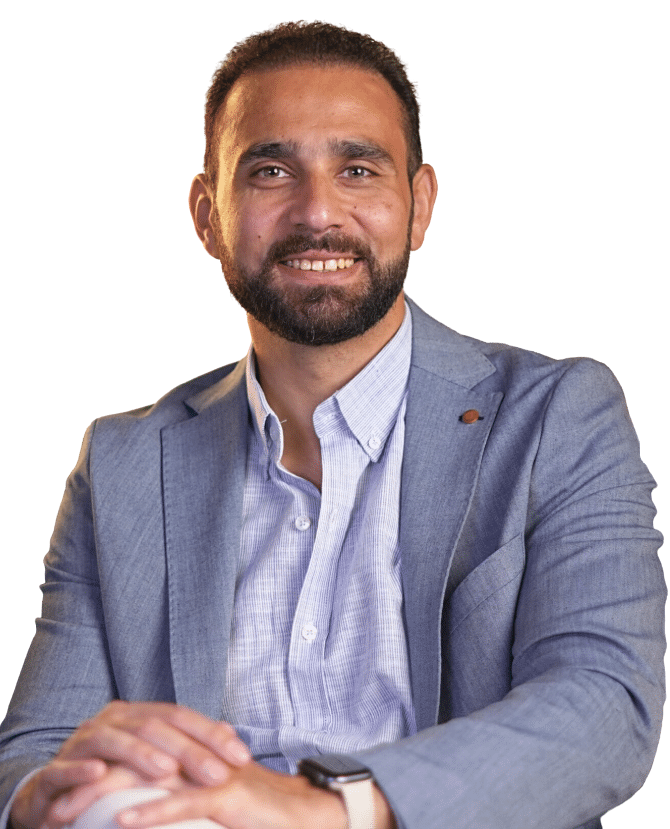
LEAD PLASTIC SURGEON
Mr Tarek El-Tantawy
MBBCh, MSc, FRCS (Plast) — Consultant Plastic, Reconstructive & Aesthetic Surgeon
Mr Tarek Eltantawy is a Consultant Plastic and Reconstructive Surgeon with extensive experience in aesthetic and reconstructive surgery.
He graduated with honours from Alexandria University and subsequently completed further surgical training in the United Kingdom. His qualifications include Membership and Fellowship of the Royal College of Surgeons, including FRCS in Plastic Surgery.
His training has included an advanced microsurgery fellowship at The Royal London Hospital and an aesthetic surgery fellowship at The London Clinic on Harley Street. His approach combines careful assessment, meticulous surgical technique and patient-focused treatment planning.
For skin-biopsy patients, Mr Eltantawy will assess whether private biopsy is appropriate, advise on the safest technique and explain when referral to another specialist pathway is required.
Support & Clinical Enquiries
Review important information and answers to frequently asked questions below. For advice about a particular lesion, submit a confidential assessment enquiry or arrange a consultation.
Frequently Asked Questions
What happens during my consultation?
Mr Eltantawy will ask about the lesion, how long it has been present and whether it has changed, bled, crusted, become painful or failed to heal. Your medical history and medicines will also be reviewed before the lesion is examined.
Why might I need a skin biopsy?
A biopsy may be recommended when examination alone cannot provide a reliable diagnosis or when tissue needs to be examined by a pathologist.
Can you biopsy a suspected BCC or SCC?
Suitable lesions where basal cell carcinoma or squamous cell carcinoma is being considered may be assessed for biopsy. Some lesions must instead be referred through an urgent specialist or NHS pathway.
What type of biopsy will I have?
The technique depends on the lesion and the diagnosis being considered. Options may include punch, incisional, shave or excision biopsy. The surgeon will recommend the appropriate method.
Is the procedure painful?
Local anaesthetic is normally used to numb the area. You may feel the initial injection and some pressure or movement, but the treatment area should be numb during the procedure.
Can consultation and biopsy happen on the same day?
Biopsy will usually be arranged after assessment. Same-day treatment is not guaranteed and is appropriate only where the procedure has been planned and sufficient time and facilities are available.
Does a biopsy remove the entire lesion?
Not always. A punch or incisional biopsy removes a sample. An excision biopsy aims to remove the entire visible lesion, but further treatment may still be required depending on the histology result.
What happens to the tissue?
The sample is placed in a labelled specimen container and sent to a laboratory. A pathologist examines it under a microscope and issues a histology report.
How long will the histology result take?
Reporting times vary according to the laboratory and whether additional analysis is required. The anticipated timescale and method of receiving your result will be explained.
What happens if skin cancer is found?
The clinician will explain the result and recommended next step. Further removal, wider excision, monitoring or referral to a dermatology, plastic-surgery or NHS skin-cancer service may be necessary.
Will I have a scar?
Yes. Every biopsy produces a scar. Its size and appearance depend on the biopsy technique, lesion location and individual healing.
How much does a skin biopsy cost?
The initial consultant assessment is £100. The biopsy and histology fees are confirmed after assessment because they depend on the technique, lesion location and laboratory requirements.
How long do the results last?
The improvement can be long-lasting, but surgery does not stop the natural ageing process. The skin and tissues around the eyes will continue to change over time.
How much does blepharoplasty cost?
The initial consultant assessment is £100. The surgery fee is confirmed following consultation because it depends on whether upper, lower or combined surgery is recommended and which anaesthetic and operating arrangements are required.
Clinical Enquiry Form
Submit details of your clinical concern securely. Our practitioners will review your submission and contact you directly.
Submitting an enquiry does not confirm suitability for treatment. All concerns require clinical assessment first.
Book your consultation
All skin-biopsy and histology pathways begin with a consultant assessment. This allows Mr Eltantawy to examine the lesion, review its history and determine whether private biopsy is appropriate.
During your consultation, we will discuss:
- The appearance and history of the lesion
- Changes in size, shape, colour or behaviour
- Relevant symptoms
- Your medical history and medicines
- Whether biopsy is clinically appropriate
- The recommended biopsy technique
- Local anaesthetic and wound closure
- Scarring, risks and recovery
- Laboratory histology
- How results will be communicated
- Whether another specialist or urgent pathway is required
- The complete cost of the proposed procedure
Consultant assessment — £100
The £100 fee covers your consultant assessment and treatment planning. Biopsy and histology are quoted separately following assessment.
Book your consultation using the portal below.
Not sure whether to book? Send an enquiry with a brief description of your concern and our team will advise you on the most appropriate next step.
Before booking
Booking a consultation does not confirm suitability for surgery or reserve a procedure appointment. Treatment is recommended only after clinical assessment and will normally be arranged separately. If another investigation, biopsy, imaging or specialist referral is more appropriate, the consultant will explain the recommended next step.
Appointments are subject to The Leeds Clinic’s cancellation and rescheduling policy. Please provide at least 48 hours’ notice if you need to change or cancel your appointment.